What Case Management Means At The Fr. Virgil Cordano Center
Summary
A case manager spent a month untangling one man's healthcare — hours of phone calls, accompanied appointments, and advocacy that changed everything. This is what case management at the Father Virgil Cordano Center looks like.
What Case Management Means Here
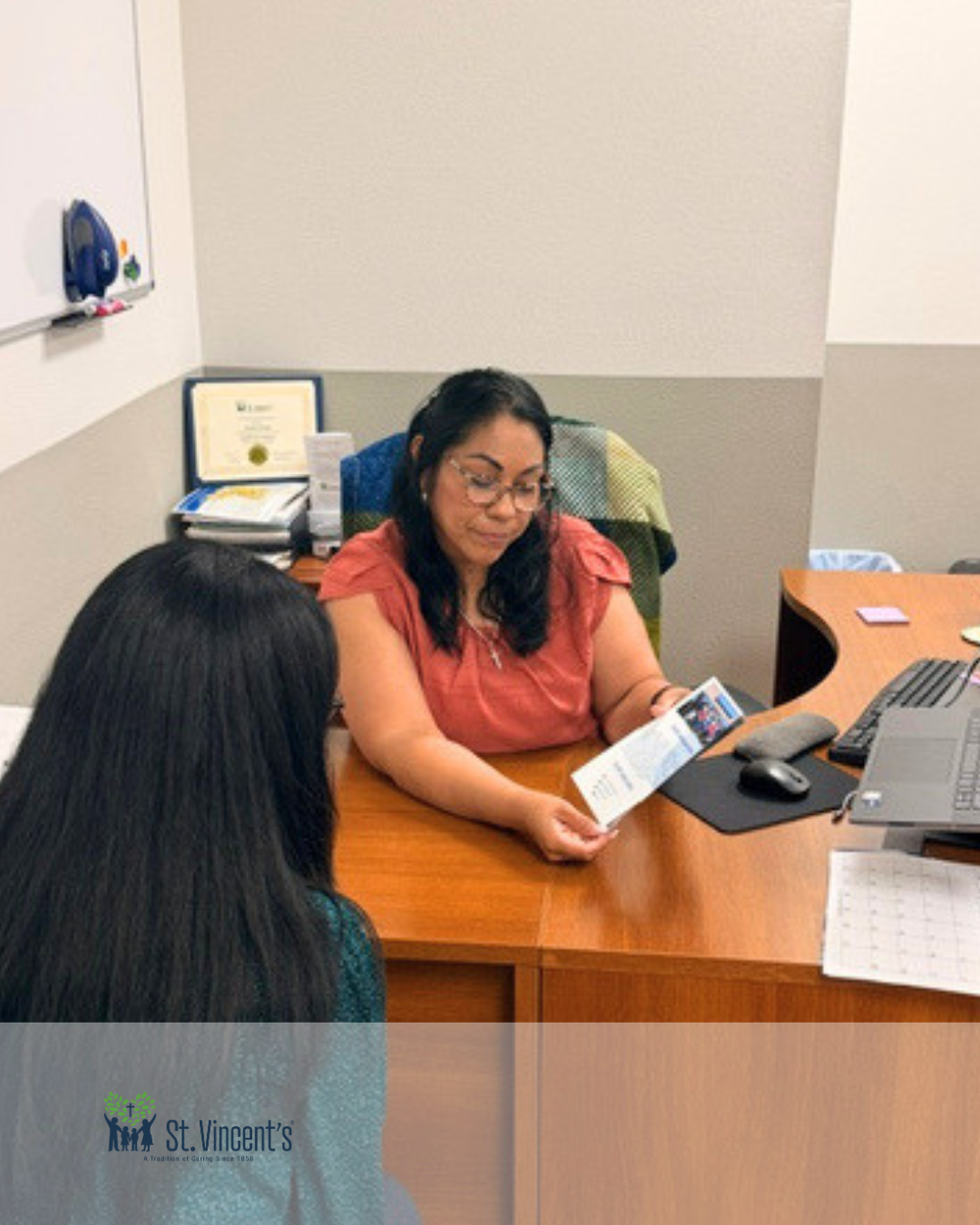
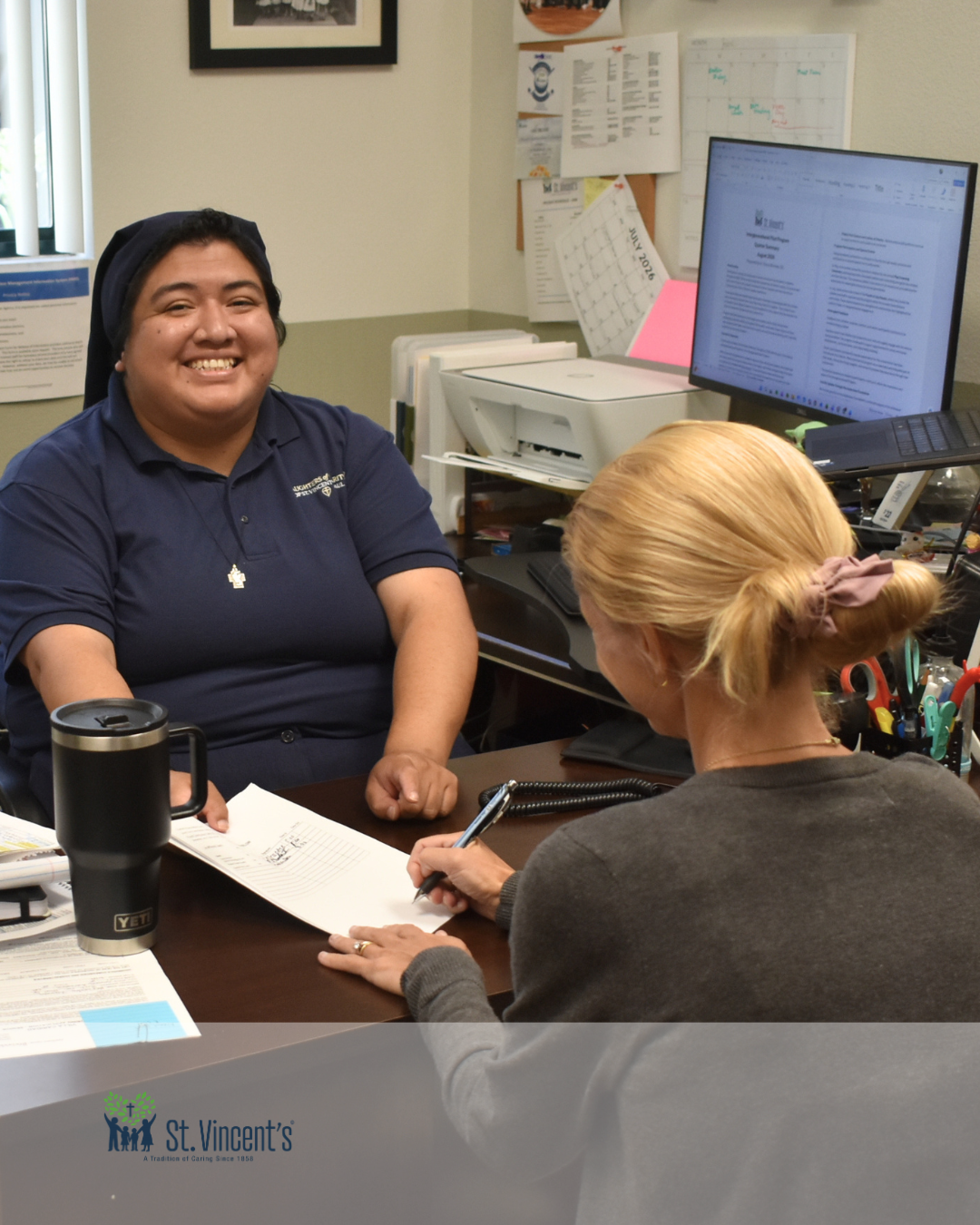
At the Father Virgil Cordano Center, case management begins before any form is filled out. It begins the moment someone walks through our door, with a conversation: listening to someone’s story, understanding the weight they’re carrying, and building enough trust that they’ll be willing to come back.
We operate on a low-barrier model, no referral or appointment needed, because meeting people where they are opens the door to trust. Some guests come for a meal and conversation. Others are ready to start navigating the systems that will help them move forward.
That’s why having meals, laundry, haircuts, fresh socks, mail safeguarding, and first aid in one place matters. Our staff and 40 volunteers make this possible every week day. Case management happens alongside all of this. When you’re trying to move forward, not having to travel to five different locations across town can be the difference between making progress and giving up.
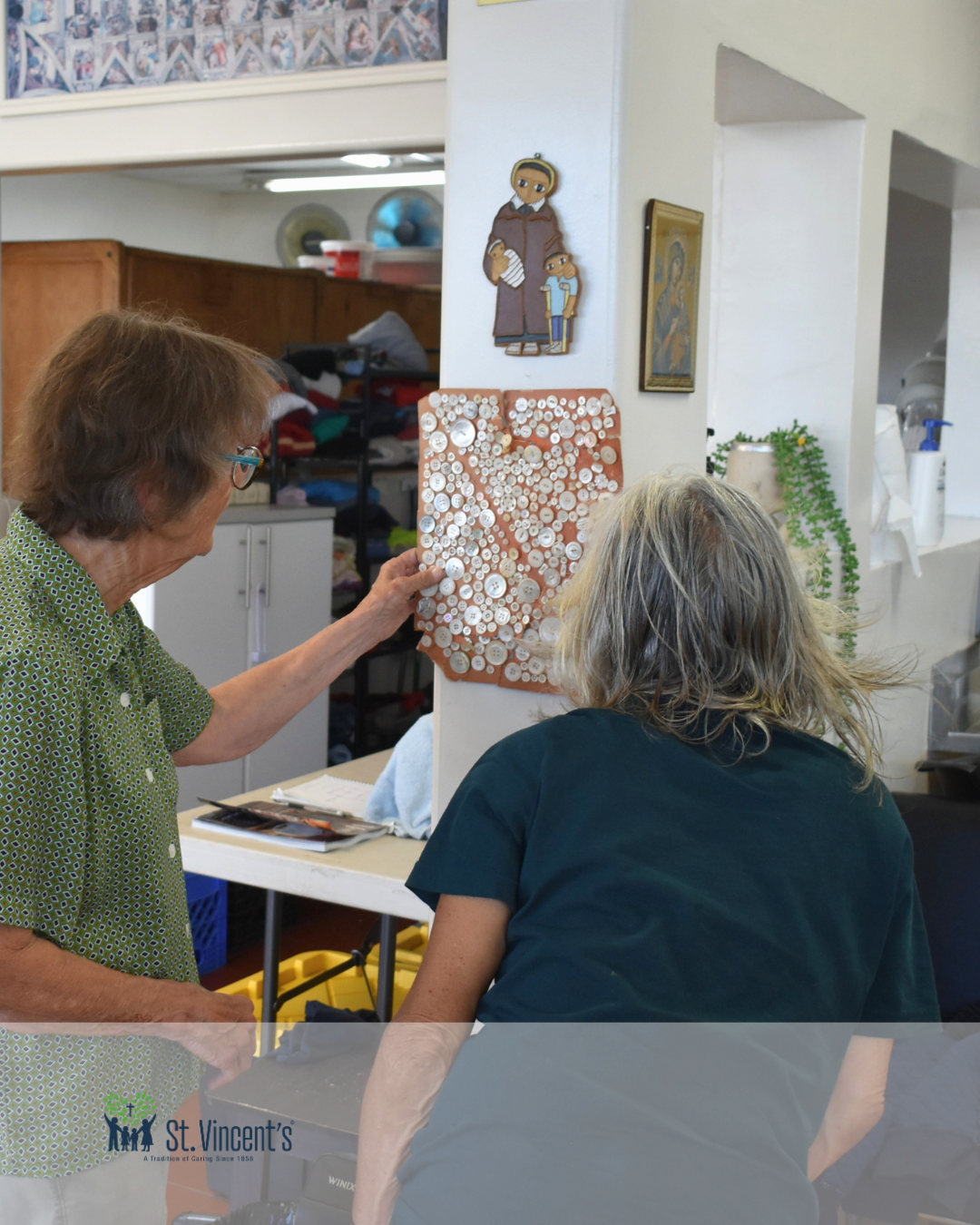
This approach is rooted in something deeper than policy. The Franciscan and Daughters of Charity tradition centers on seeing dignity in every person and lovingly serving those who need help. Not to preach, not to convert. Those spiritual values create something unique: a peaceful, respectful place where people can rest, find companionship, and when they are ready, take their next step forward.
The Hidden Barrier: Document Ready
For many of our members, the hardest part of homelessness isn’t the night outside. It’s the bureaucracy. Government websites with no easy way in. Phone systems that put you on hold for an hour. Applications that require documents you don’t have, to prove a disability you need to verify, to get onto a housing list you didn’t know existed. Most of us would find this daunting. For someone without a phone, a permanent address, or a quiet place to sit, it can be impossible.
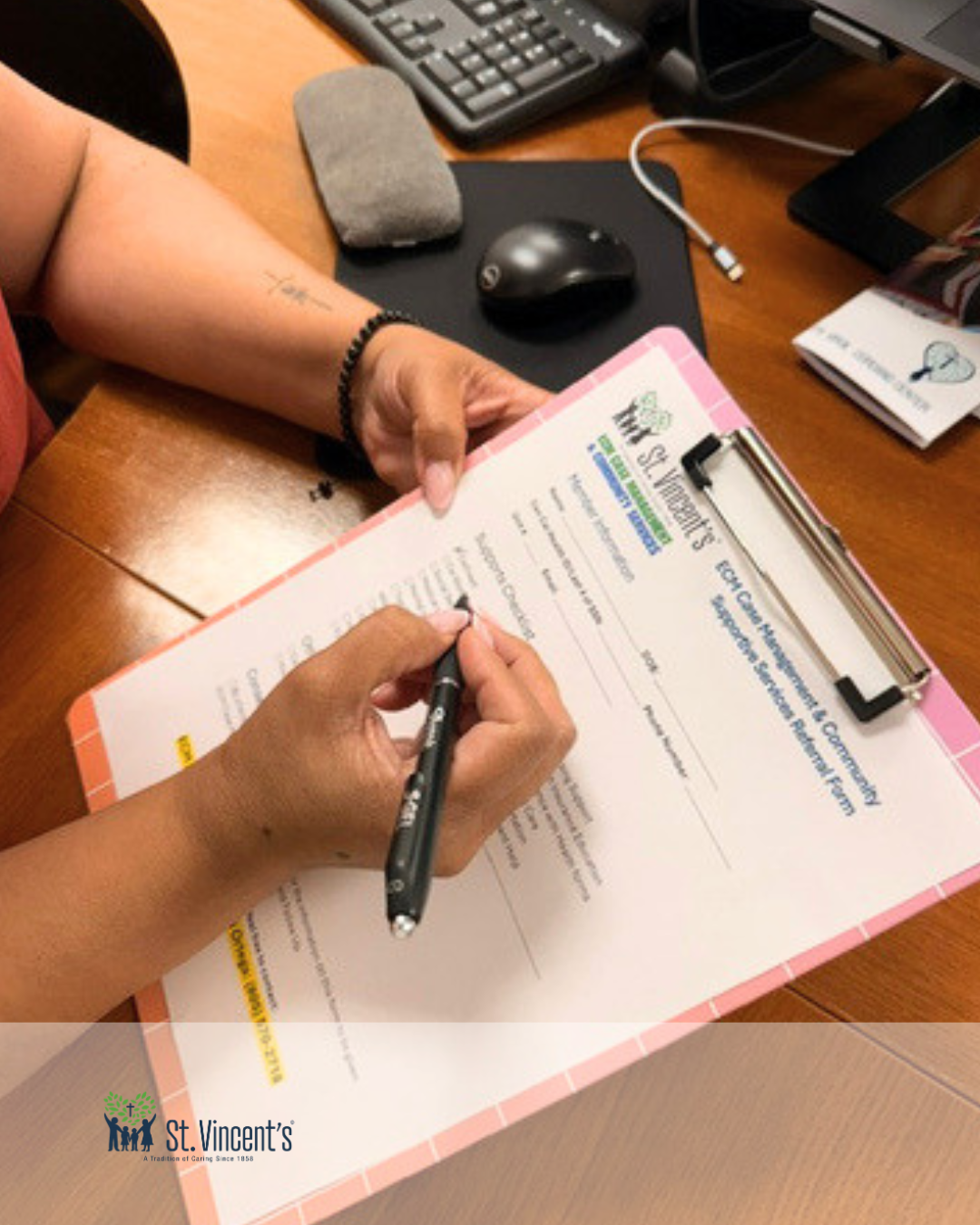
A central priority at the Cordano Center is getting each member “Document Ready,” the official standard in Santa Barbara County that determines whether someone can be matched to available resources. Being Document Ready means having verified identification, confirmed income or disability status, and completed intake records in the county’s Homeless Management Information System.
Once a member is ready, our case managers don’t just hand someone a referral and say “off you go.” They make sure the appointment happened, even attending critical appointments when advocacy is needed. They follow up afterward, because when someone is focused on where they’ll sleep tonight, it’s easy to lose the paperwork and forget next steps.
One Member’s Journey
A 77-year-old member had gone years without a primary care doctor, yet through several emergency medical visits, had racked up nearly $9,000 in medical bills. All the while, his cognitive decline was going unrecognized. Our team spent more than a month untangling his benefits situation through hours of phone calls to systems that weren’t designed for someone in his position.
We accompanied him to critical appointments, helping his doctor understand what our case manager was observing about his cognitive health. We navigated the various community social services portals, some of the most demanding systems members encounter. Missed appointments can result in losing access entirely, and getting back in often requires an advocate who knows how the system works.
Our case manager made sure he understood every deadline and notice so he wouldn’t lose his place on the housing list. That relationship was built through consistency—our staff and volunteers were there, he kept coming back, and trust grew. Now he has regular medical care, a dental provider, a specialist, and his name on two housing lists. He calls his case worker before he does anything. That’s what trust looks like.
What Makes the Difference
In 2025, FVCC served more than 1,000 individuals at every stage of housing instability. Nearly half became regular members, relying on this center as a steady presence in lives that often have very little that is steady. More than a dozen members moved into permanent housing. Access to government benefits nearly doubled, and health connections grew by more than a third—often the turning points that makes housing sustainable.
Rev. Dennis Holtschneider, former president of DePaul University and founder of the Institute of Global Homelessness observed:
“The Fr. Virgil Cordano Center represents exactly the kind of infrastructure communities build when they decide homelessness is solvable.”
When FVCC opened, skeptics worried. Would it work? It turns out that when you create a place rooted in respect and compassion, something peaceful yet powerful emerges, and people feel seen.
Case management means someone is in your corner who believes in your next step. The work happens one person, one phone call, one appointment at a time.
That is what case management at FVCC looks like.
FVCC has outgrown its current location. Our capital campaign is building the space we need to serve our members better, expand services, and bring more community partners together under one roof. Learn more: frvirgilcordanocenter.org/capital-campaign