Every Day, Every Child: How St. Vincent’s Early Childhood Education Center Goes Beyond the Standard
This year, our Early Childhood Education Center passed re-accreditation by the National Association for the Education of Young Children (NAEYC) — a rigorous, five-year renewal process that fewer than 10 percent of child care centers, preschools, and kindergartens in the United States ever achieve.
For Site Supervisor Maite Estrada, it was the second time she had navigated the process. The first time, she was a classroom teacher. This time, she led our center through it.
“Re-accreditation isn’t something you prepare for in the months before the visit. It’s a reflection of what we do every single day. The standards don’t change because an assessor is coming — they’re already woven into how we teach, how we support families, and how we take care of each other as a team.”
A Higher Standard
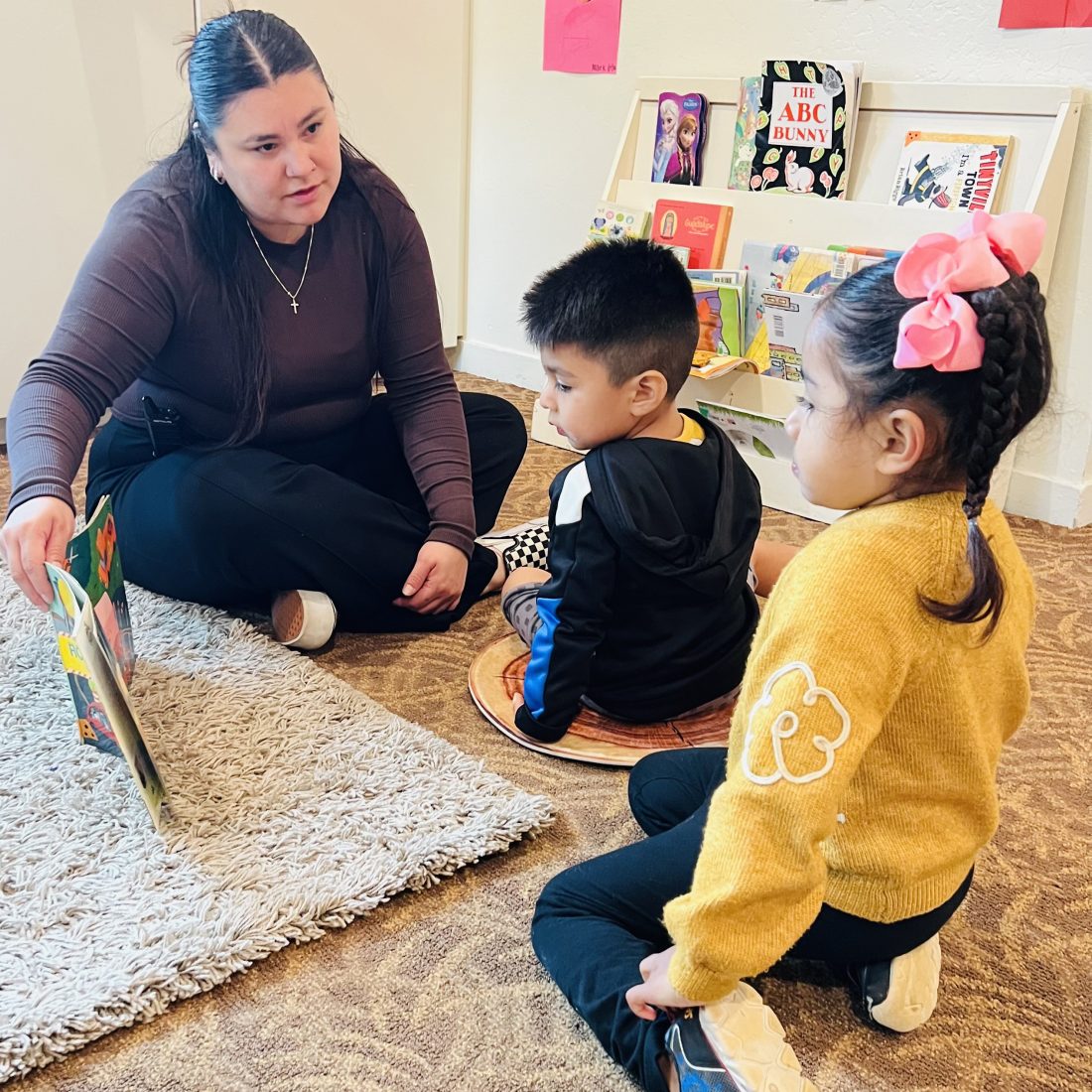
The reality of those everyday interactions is exactly what NAEYC measures — and the bar is meaningfully higher than California’s basic licensing requires. California’s basic licensing requires one teacher for every 12 preschool children. NAEYC recommends two teaching staff for every 20 — a ratio of 1:10 — providing more dedicated attention for every child.
Accreditation evaluates programs against 10 research-based standards — covering everything from how teachers respond to a child who’s struggling, to how we partner with families on their child’s development, to how we design the spaces where learning happens. Taken together, they describe something harder to measure than a checklist — and more important.
What’s less commonly understood is that St. Vincent’s holds this accreditation across three separately evaluated program areas: the infant program, the preschool program, and the administrative program. Each is assessed independently. That’s not one credential — it’s three.
Where Learning Happens
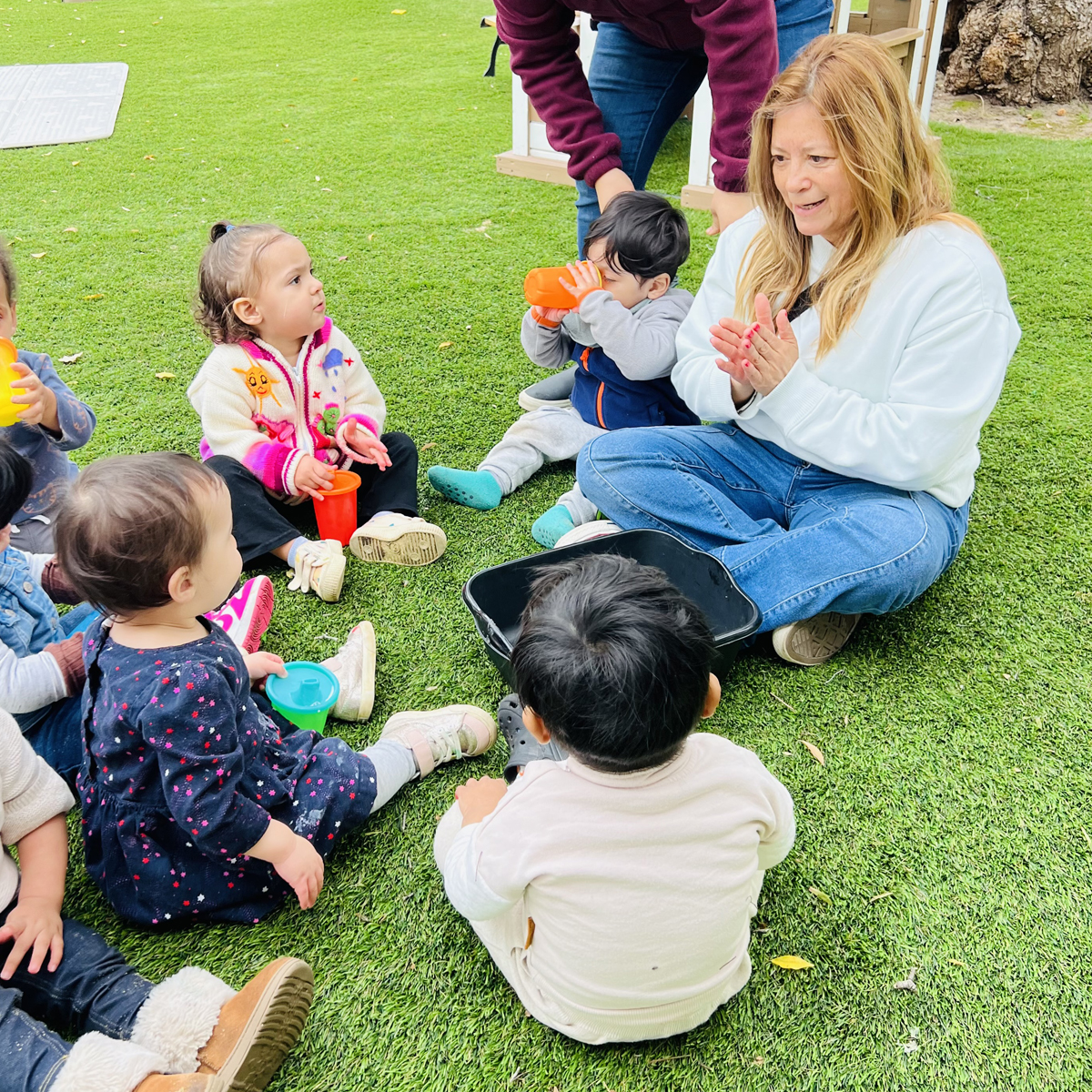
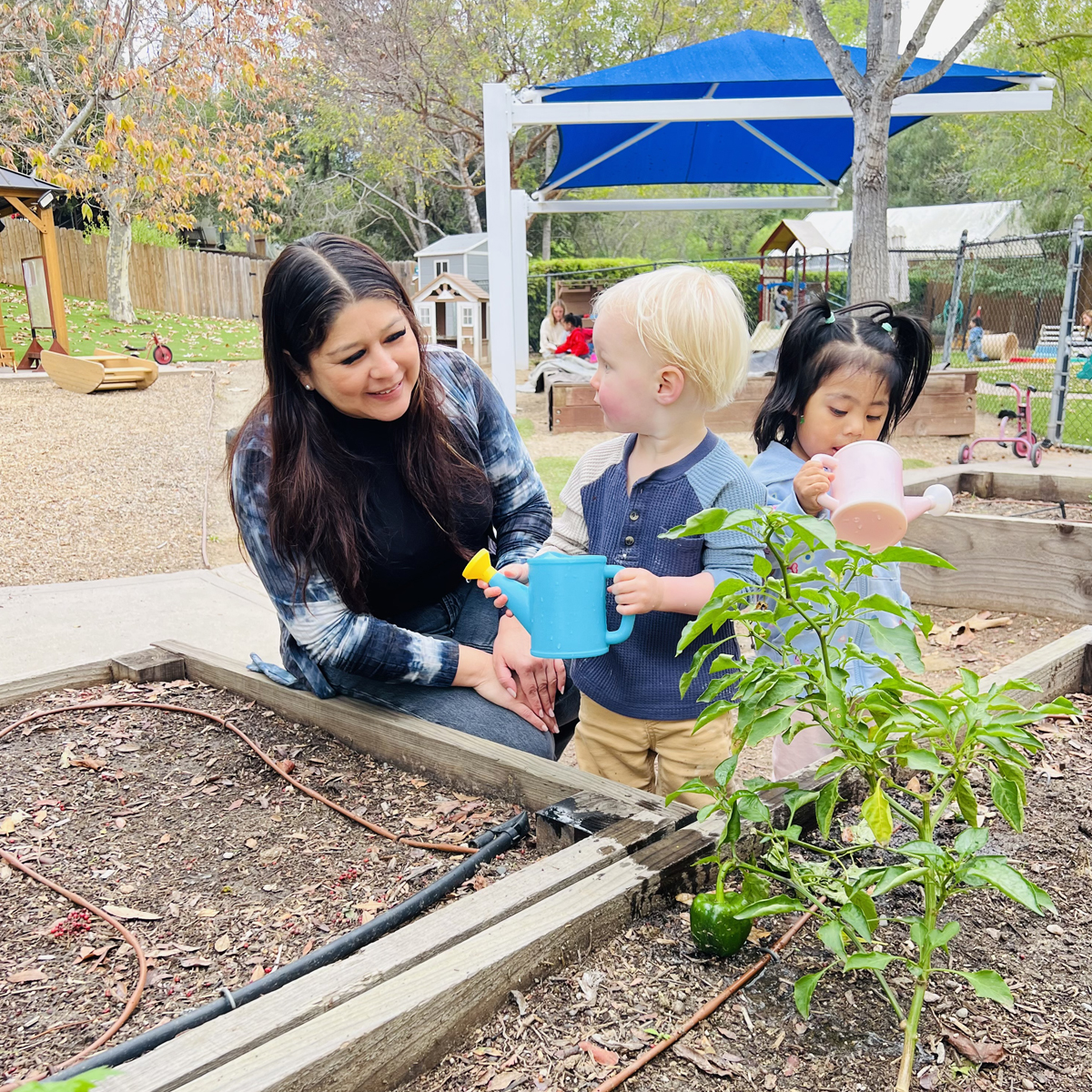
Our center welcomes children from families of any faith background, from six weeks old through pre-kindergarten, five days a week. Breakfast, lunch, and an afternoon snack are provided daily. Much of that time unfolds on our beautiful outdoor campus — recognized through The Outdoor Classroom Project, which treats outdoor space as a primary learning environment, not just a playground, fostering holistic development and a deep connection to nature.
Beyond Accreditation
Going even further, we are among a small number of early childhood centers in Santa Barbara to partner with CALM through their Growing Together Program — bringing Infant and Early Childhood Mental Health Consultation directly into our classrooms. A dedicated consultant works alongside our teachers, observing interactions and recommending strategies that deepen how teachers understand and respond to children’s social-emotional needs. The approach often confirms what our team already practices, and occasionally opens a door to something new. It has also proven especially valuable in conversations with parents, where an outside expert in the room can reinforce a teacher’s observations and strengthen a family’s confidence. Prevention work, done in genuine partnership.
Steps from our classrooms, at Villa Caridad — St. Vincent’s senior housing community on the same campus — something else takes place that no credential can fully capture. Through our Aging Well Activities and Intergenerational Program, our preschoolers and the seniors who live nearby come together regularly to connect, create, and share joy. Our seniors pass down the small, essential things — how to be present, how to comfort, how to play. The children who receive that today will give it to someone else one day. Both generations are richer for it.
St. Vincent’s Early Childhood Education Center enrolls children from six weeks through 5 years old. For information, visit stvincents-sb.org.